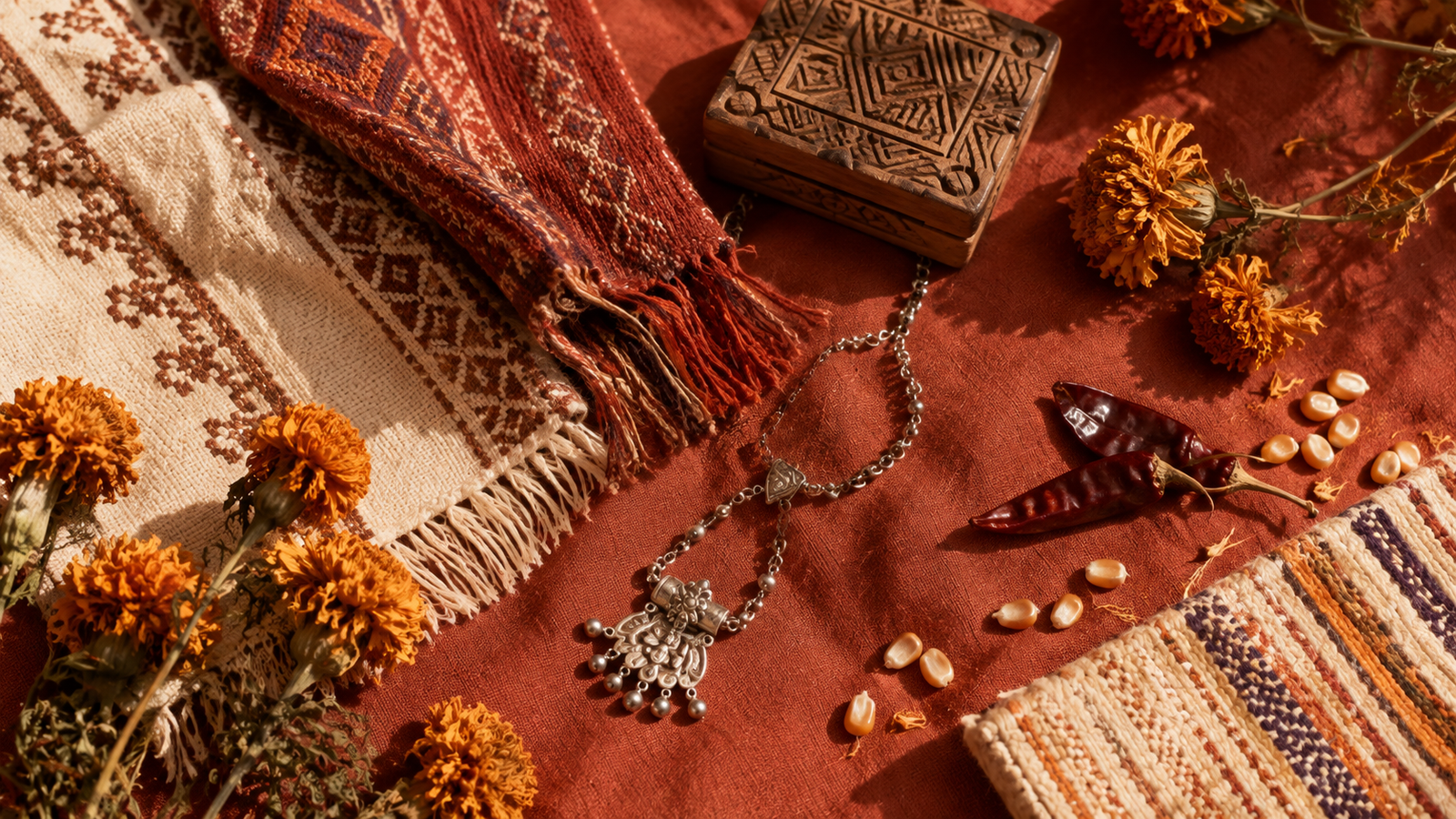
Understanding the scope: Latin America is not one culture
The term "Latin America" typically refers to countries in the Americas where Romance languages (Spanish, Portuguese, sometimes French) are dominant. This encompasses:
- Mexico — Population ~130 million, blending Indigenous, Spanish, and other heritages
- Central America — Guatemala, Belize, Honduras, El Salvador, Nicaragua, Costa Rica, Panama, each with distinct traditions and demographics
- Caribbean — Cuba, Dominican Republic, Puerto Rico, and others, with strong African heritage from the Atlantic slave trade
- South America — Brazil (Portuguese-speaking, largest country), plus Spanish-speaking Colombia, Venezuela, Ecuador, Peru, Bolivia, Chile, Argentina, Uruguay, Paraguay
The diversity that matters
Within this vast region, beauty traditions differ substantially:
- Argentina's population is heavily European-heritage (Italian, Spanish, German), producing beauty standards closer to European norms
- Brazil's mix of Portuguese, African, and Indigenous heritage produces distinct standards with strong African influence, particularly in northeastern regions
- Mexico's Indigenous heritage (Aztec/Nahua, Maya, Mixtec, Zapotec, and many others) intersects with mestizo mainstream culture
- Colombia's regional variations between Andean interior, Caribbean coast (with strong African heritage), and Amazonian regions matter substantially
- Peru maintains strong Andean Indigenous traditions in highland communities alongside Lima's more European-influenced urban culture
- The Dominican Republic and Cuba center African heritage more prominently than most other regional cultures
Why the singular category persists
Despite this diversity, "Latin American beauty" gets used as a single category in global beauty industry and Western beauty media. The category flattening happens for several reasons: convenience of grouping non-Anglo Western Hemisphere cultures; Spanish language commonality across most (though not Brazil); shared colonial history with important commonalities; and the marketing convenience of a single target demographic.
The flattening obscures both the differences between traditions and the internal debates within each. This piece will discuss commonalities where they exist while respecting the distinctions.
Pre-Columbian beauty traditions
Before European contact (1492 onward), the Americas hosted sophisticated civilizations with distinct beauty practices.
Mesoamerican traditions
The civilizations of what's now Mexico and Central America — Olmec, Maya, Zapotec, Mixtec, Toltec, Aztec/Mexica, and many others — developed substantial beauty practices:
- Body modification — Cranial reshaping in some Maya elite traditions, dental modifications (filing to points, jade inlays), earlobe stretching in various cultures
- Facial adornment — Elaborate face painting for ceremonial contexts, using cochineal red, cacao-based blacks, and mineral pigments
- Body painting — Extensive body painting traditions, often for ritual or warrior contexts
- Jewelry — Extensive gold, jade, obsidian, and shell jewelry across cultures. The Aztec/Mexica particularly developed elaborate metalwork.
- Hair traditions — Complex braided styles varying by rank and occasion
- Perfumes and cosmetics — Various plant-based scented preparations and body treatments
Andean traditions
The Inca and pre-Inca civilizations of what's now Peru, Bolivia, Ecuador, and parts of Chile and Argentina developed distinct beauty practices:
- Textile beauty — Extraordinarily sophisticated weaving traditions (many continuing today) create visual identity through pattern and color
- Metalwork — Gold, silver, and copper jewelry with substantial cultural significance
- Hair traditions — Long braided hair with elaborate adornment
- Body modifications — Various cultures practiced cranial reshaping
- Face and body painting — For ceremonial and identifier purposes
- Cochineal red — This natural red dye (from insects living on cactus) provided vibrant color for textiles and cosmetics; became a major colonial export
Caribbean and lowland South American traditions
The Taíno (Caribbean), Arawak, Carib, and various Amazonian peoples had distinct traditions:
- Extensive body painting particularly for ceremony
- Feather adornment (particularly in Amazonian traditions)
- Distinctive body modifications including labrets (lip disks) in some traditions
- Elaborate hair adornment
The continuity question
Indigenous beauty traditions never disappeared, though colonial suppression substantially disrupted them. Contemporary Indigenous communities across the region maintain, revitalize, and evolve these traditions. The growing prominence of Indigenous beauty in mainstream Latin American culture (through fashion, media, and advocacy) reflects both continuity and revival.
Colonial legacy and colorism
Spanish colonization of most of the region (starting 1492) and Portuguese colonization of Brazil (from 1500) fundamentally reshaped beauty standards — imposing European frameworks while establishing hierarchies whose effects persist.
The casta system
Spanish colonial rule formalized racial hierarchy through the casta system, which categorized people by racial mixture. Sixteen or more official categories existed at various times, including:
- Español (Spanish) — highest status
- Criollo — Spanish descent born in the Americas
- Mestizo — Spanish and Indigenous mixture
- Mulato — Spanish and African mixture
- Zambo — African and Indigenous mixture
- Indio — Indigenous
- Negro — African
Each category had specific legal rights and restrictions. The system explicitly linked appearance (particularly skin tone and features) to social status.
The colonial beauty imposition
Colonial rule also imposed European beauty standards through:
- Religious frameworks positioning European features as ideal
- Aristocratic beauty models from Spain and Portugal
- Suppression of Indigenous beauty practices (many outlawed)
- Cultural association of European appearance with modernity and civilization
Post-independence continuity
When Latin American nations gained independence (mostly 1810-1830s), the formal casta system was abolished. But the assumptions persisted through:
- Continued economic and political power of European-descended elites
- Media representation favoring lighter-skinned individuals
- Immigration policies actively encouraging European settlement in several countries
- Educational systems teaching European beauty ideals
- Cultural attitudes treating lightness as attractive and darkness as deficit
Contemporary colorism
In contemporary Latin America, colorism manifests substantially in beauty industry and media:
- Media representation — Telenovelas, movies, and advertising heavily favor lighter-skinned actors and models across the region
- Skin-lightening products — Substantial market for skin-lightening products despite health concerns
- Social sorting — Lighter-skinned individuals tend to occupy higher-status positions across employment and social contexts
- Language — Common colloquial phrases treating lightness as attractive (güerito/güerita, various regional terms) and darkness as descriptive-negative
- Family dynamics — Documented pressures within families favoring lighter-skinned members
- Beauty product marketing — Global brands often market lighter products more prominently even when shade ranges technically exist
The parallels with colorism patterns in India (see our piece on Indian beauty standards) and other post-colonial contexts are substantial. Contemporary movements challenge these patterns, but the underlying structures remain entrenched.
The pageant culture and its critique
Latin America has been home to some of the world's most successful beauty pageant industries. Understanding this culture — and its critique — matters for understanding regional beauty standards.
Venezuela's dominant era
Venezuela became internationally dominant in beauty pageants through highly organized preparation. Key elements:
- The Miss Venezuela organization — Founded 1952, developed into an intensive preparation system
- Osmel Sousa — Ran the organization for decades until 2018, developing the training academy that prepared contestants intensively
- Training methodology — Detailed programs covering appearance modification, cosmetic surgery consultation, posture, walking, speaking, cultural knowledge, and pageant strategy
- The record — Venezuela has won 7 Miss Universe titles, 6 Miss World titles, and extensive Miss International placings — extraordinary for a mid-sized country
The system was both admired for its effectiveness and criticized for its intensive focus on appearance modification. Cosmetic surgery became normalized within pageant preparation, with reports of teenage contestants undergoing procedures.
Colombia's rise
Colombia has developed substantial pageant success, particularly following Venezuela's decline. Colombian pageant winners including Paulina Vega (Miss Universe 2014) and various placings have made the country internationally prominent. Colombia's beauty pageant system, while less centralized than Venezuela's, produces substantial preparation and international competitiveness.
Mexico's competitive presence
Mexico maintains substantial pageant presence with several notable wins:
- Ximena Navarrete (Miss Universe 2010)
- Andrea Meza (Miss Universe 2020)
- Various Miss World placings
Puerto Rico's outsized contribution
Despite its small population, Puerto Rico has won multiple Miss Universe titles (5 total) — an outsized contribution proportionally. Puerto Rican pageant culture has substantial cultural significance in the territory.
Brazil's distinctive role
Brazil has had substantial pageant participation but has never won Miss Universe in the modern era. Brazilian beauty exports have historically been more concentrated in modeling (Gisele Bündchen, Adriana Lima, Alessandra Ambrosio) than pageants, though Brazilian competitors regularly place in international pageants.
The critique
Pageant culture in Latin America has faced substantial critique in recent years:
- Cosmetic surgery normalization — Pageant systems have normalized substantial procedure culture from early ages
- Colorism enforcement — Winners have overwhelmingly been mestiza with European features, reinforcing colorism
- Body objectification — Traditional pageant format emphasizes body evaluation
- Economic dynamics — Pageant success provides social mobility routes that reinforce beauty-based ranking
- Feminist critique — Broader feminist critique of pageants as institutions
See our piece on beauty pageant history for the broader context on how pageant culture has developed and continues to evolve globally.
Country-by-country distinctives
Mexico
Mexican beauty culture blends Indigenous heritage (Aztec, Maya, Mixtec, Zapotec, and many others) with Spanish colonial and contemporary influences:
- Rich traditions of embroidered textiles, particularly the huipil (traditional blouse) and various regional dress traditions
- Elaborate hair braiding traditions in Indigenous communities
- Frida Kahlo (1907-1954) as counter-cultural beauty icon whose embrace of Indigenous elements and distinct features (unibrow, mustache) challenged European norms
- Salma Hayek as internationally recognized Mexican beauty
- Complex Mexican-American beauty dynamics in the US border regions
- Chicana beauty traditions incorporating Indigenous, Mexican, and US influences
- Regional variations across the enormous country (Oaxacan vs. Yucatecan vs. northern Mexican traditions)
Brazil
Brazilian beauty culture uniquely blends Portuguese, African, and Indigenous heritage:
- Beach culture particularly around Rio de Janeiro emphasizes body-focused beauty
- Carnaval as annual beauty performance featuring elaborate costume, body art, and presentation
- Substantial cosmetic surgery culture — Brazil ranks among the top countries globally for procedure volume
- The BBL ("Brazilian butt lift") originated primarily in Brazilian medical practice
- Global modeling industry contribution: Gisele Bündchen, Adriana Lima, Alessandra Ambrosio, others
- Complex racial politics — Brazil has both substantial African-heritage population and persistent colorism
- Regional differences between Rio, São Paulo, and the more African-influenced northeast
- Growing Afro-Brazilian beauty advocacy movements
Colombia
Colombian beauty culture reflects the country's diverse regional heritage:
- Cosmetic surgery centers particularly in Medellín and Cali
- Sofia Vergara as internationally recognized Colombian beauty (Latin Grammys, US television)
- Distinct regional traditions — Andean interior vs. Caribbean coast (with strong African heritage) vs. Amazon region
- Coffee-region traditional beauty in Zona Cafetera
- Cartagena as tropical beauty context
- Substantial Afro-Colombian population particularly in Pacific coast regions
- Indigenous communities including Wayuu, Muisca descendants, Amazon tribes
Argentina
Argentine beauty culture reflects the country's substantial European heritage (Italian, Spanish, German, other):
- Beauty standards closer to European norms than most of Latin America
- Buenos Aires as fashion and beauty capital
- Substantial cosmetic procedure culture
- Tango culture and its beauty presentation traditions
- Less pronounced Indigenous influence in mainstream culture than Andean neighbors
Venezuela
Venezuelan beauty culture historically dominated by pageant industry:
- Miss Venezuela training system's outsized influence
- Cosmetic surgery culture connected to pageant preparation
- Substantial beauty industry that has weakened with the country's economic and political crisis
- Distinctive Venezuelan features and body ideal cultivated in pageant training
Peru
Peruvian beauty culture maintains strong Andean traditions alongside urban Lima influences:
- Andean textile and adornment traditions continuing in Cusco region and highlands
- Distinctive Andean features and dress traditions
- Lima's more European-influenced urban culture
- Complex intersection of Indigenous, mestizo, Afro-Peruvian, and Asian-Peruvian traditions
Cuba
Cuban beauty culture reflects strong African, Spanish, and Indigenous heritage:
- African-heritage traditions particularly prominent
- Distinctive hair traditions and cultural politics
- Music and dance culture connected to beauty presentation
- Complex relationship with US beauty industry due to embargo history
Dominican Republic
Dominican beauty culture centers African heritage with complex politics:
- Substantial African-heritage population
- Hair politics particularly significant — long-standing pressure toward straightening
- Growing natural hair movement
- Amara La Negra as prominent Afro-Latina advocacy voice
- Complex tension between African heritage recognition and Dominican mestizo identity
Puerto Rico
Puerto Rican beauty culture blends Spanish, African, and Indigenous Taíno heritage:
- Outsized pageant success historically
- Salsa/dance culture connected to beauty presentation
- Contemporary artists (Bad Bunny, Rosalía — though Spanish, various collaborators) reshaping cultural imagery
- US territory status creating specific cultural dynamics
Body standards and cosmetic surgery culture
Body standards and cosmetic surgery culture in Latin America deserve specific attention because they've become internationally recognized.
Common body ideal threads
Across much of Latin America, mainstream body ideals emphasize:
- Curves — particularly hip-to-waist ratio
- Fuller busts
- Rounded backside
- Toned but not overly muscular arms
- Height varies by country (generally shorter than northern European ideals)
The ideal contrasts with the "thin ideal" more prominent in northern European and North American mainstream contexts. This ideal has become globally influential — the current global emphasis on curves in mainstream Western beauty has substantial Latin American influence.
Regional variations
Body ideals vary substantially within Latin America:
- Argentina generally values thinner ideals closer to European norms
- Brazil emphasizes specific hip-to-waist ratio with prominent backside
- Colombia has particularly emphasized surgical body modification
- Caribbean traditions often value more substantial body types
- Rural and Indigenous traditions typically value different body ideals than urban mainstream
The cosmetic surgery centers
Several Latin American countries have become international cosmetic surgery destinations:
- Brazil — Consistently ranks as the second or third largest cosmetic surgery market globally by procedure volume. Substantial medical tourism industry. The BBL originated primarily here.
- Colombia — Medellín and Cali have developed medical tourism reputations. Substantial cosmetic surgery industry.
- Mexico — Substantial procedure volume, particularly in border cities catering to US medical tourism
- Venezuela — Historically substantial connected to pageant culture; industry has declined with economic crisis
The BBL specifically
The "Brazilian butt lift" (technically buttock augmentation with fat transfer) originated primarily in Brazilian medical practice and has become globally recognized. Key context:
- The procedure has been associated with substantial safety concerns including higher mortality rates than most cosmetic procedures
- Improper execution can result in fat embolism
- The American Society of Plastic Surgeons has issued specific safety guidance
- Medical tourism for BBLs has been associated with particularly concerning safety outcomes
- The procedure has become associated with specific body ideals in global beauty culture, particularly through Kardashian-Jenner cultural influence
The normalization critique
Cosmetic surgery normalization in Latin America is complex:
- Procedures at younger ages than in many other regions
- Family and social pressure documented in various contexts
- Connection to economic mobility (particularly through pageant success or media careers)
- Health outcomes debate — safety concerns particularly around BBL and unregulated providers
- Growing feminist critique of pressure driving procedures
- Simultaneously, defense of women's autonomy in choosing procedures
Hair politics and diversity
Hair politics in Latin America are substantial, particularly given the region's diverse hair textures inherited from African, Indigenous, European, and mixed heritage.
The colonial imposition
Colonial hierarchies extended to hair, with European-textured hair positioned as "good hair" (pelo bueno in Spanish) and African-textured hair positioned as "bad hair" (pelo malo). These terms persist colloquially in some contexts despite advocacy against them.
Straightening pressure
African-textured hair has historically faced substantial straightening pressure across the region:
- Chemical relaxers widely used across Caribbean, Brazilian northeast, Colombian coast, other Afro-Latin regions
- Heat straightening (blowouts, flat ironing) as daily practice for many
- Media representation heavily favoring straightened styles
- Workplace and school policies against natural textures documented in several countries
The natural hair movement
Recent decades have seen substantial natural hair movements across the region:
- Growing celebration of natural textures in various communities
- Afro-Brazilian natural hair advocacy substantial
- Dominican natural hair movement notable given historical straightening dominance
- Colombian, Cuban, Puerto Rican, and other Caribbean natural hair movements
- Growing product options for textured hair (though still limited compared to some other markets)
Indigenous hair traditions
Indigenous communities across the region maintain distinct hair traditions:
- Long dark hair often treated as culturally significant
- Various braiding and adornment traditions
- Cultural significance beyond aesthetic — hair connected to identity, spirituality, family
The complexity
Hair in Latin America carries substantial cultural weight. It intersects with racial identity, cultural belonging, professional presentation, family relationships, and personal expression. The politics have shifted substantially but remain active.
Contemporary shifts and decolonial movements
Latin American beauty standards are undergoing substantial transformation in the contemporary era.
Afro-Latina advocacy
Afro-Latina beauty advocacy has grown substantially:
- Amara La Negra — Dominican-American singer whose public discussion of anti-Blackness pressures in Latin entertainment industry has brought Afro-Latina beauty advocacy to broader awareness
- Growing academic work — Scholars documenting Afro-Latin American beauty history and contemporary advocacy
- Media representation shifts — Increasing though still limited visibility of Afro-Latina models, actors, and beauty figures
- Cultural celebration — Growing pride in African heritage and features across the region
Indigenous beauty pride
Indigenous beauty movements have expanded:
- Yalitza Aparicio (Mexican Indigenous actress) — Her role in Roma (2018) and subsequent visibility challenged mainstream beauty norms
- Growing representation of Indigenous models and media figures
- Traditional beauty practices increasingly celebrated rather than marginalized
- Language revitalization connected to cultural pride including beauty traditions
- Indigenous fashion designers gaining international recognition
Feminist critique of pageant culture
Beauty pageant culture faces growing critique:
- Increased attention to cosmetic surgery pressure on young contestants
- Broader feminist critique of pageants as institutions
- Some pageant reforms attempting to address critiques
- Contestants themselves increasingly vocal about pressures
- Alternative celebrations of beauty emerging outside pageant format
Cosmetic surgery reconsideration
Cosmetic surgery culture faces safety and cultural reconsideration:
- Safety-focused critique particularly around BBL procedures
- Feminist critique of pressure driving procedures
- Regulatory increases in some jurisdictions
- Continued high procedure volumes despite critique
- Growing conversation about medical tourism dangers
Beauty industry response
Global beauty industry has responded to Latin American markets with:
- Expanded shade ranges for foundation and complexion products (following Fenty Beauty's 2017 pressure — see our piece on Old Hollywood beauty for the historical exclusion context)
- Marketing campaigns featuring more diverse Latin American models
- Product development targeting specific hair textures and skin concerns
- Regional beauty brands gaining international distribution
The ongoing tension
Contemporary Latin American beauty exists in tension between:
- Traditional patterns (colorism, pageant culture, cosmetic surgery, hair straightening) that persist despite critique
- Emerging patterns (Afro-Latina advocacy, Indigenous pride, natural hair, feminist critique) that challenge tradition
- Global beauty industry pressures homogenizing regional distinctions
- Contemporary influencer culture creating new patterns of its own
The shifts are real but incomplete. Progress is uneven — substantial in some contexts, minimal in others. Understanding Latin American beauty means engaging with both traditional patterns and emerging movements, neither dismissing the changes nor overstating them.
The bottom line: Latin American beauty standards vary enormously across the region's 20+ countries and countless Indigenous traditions. Argentina's largely European-heritage beauty ideals differ substantially from Brazil's African-influenced traditions, from Mexico's Indigenous-mestizo synthesis, from Caribbean Afro-Latina traditions, from Andean Indigenous continuity. Common threads include: persistent colorism from Spanish and Portuguese colonial hierarchies established through the casta system; strong beauty pageant culture (Venezuela historically dominant with 7 Miss Universe titles under the Miss Venezuela training system; Colombia, Mexico, Brazil, Puerto Rico also prominent); substantial cosmetic surgery culture (particularly Brazil and Colombia, with the BBL originating primarily in Brazilian medical practice); complex hair politics with African-heritage textures navigating mainstream media pressures ("pelo bueno" vs. "pelo malo" language); and growing decolonial movements. Contemporary shifts include Afro-Latina advocacy (Amara La Negra and others), Indigenous beauty pride movements (Yalitza Aparicio's Roma visibility), natural hair movements especially in the Caribbean, and increasing feminist critique of pageant and cosmetic surgery pressures — though traditional patterns persist alongside these changes. Global beauty industry often flattens "Latin American beauty" as one category, missing both the region's diversity and its ongoing internal debates about what beauty should mean.