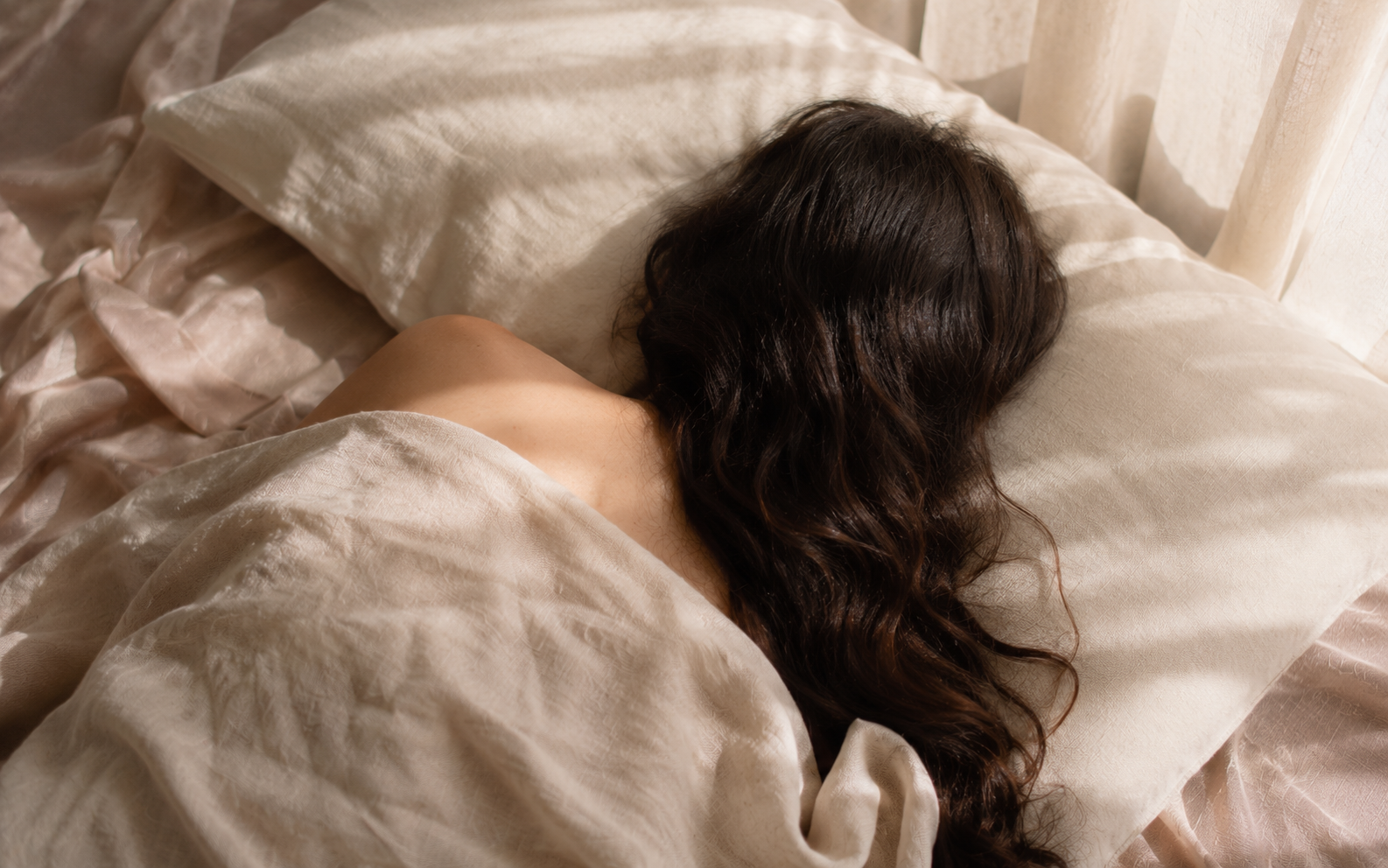
Is "sleep wrinkles" actually a thing?
Yes — but the framing in most beauty content is significantly overhyped. The phenomenon is real, scientifically documented, and slow.
A 2016 study in Aesthetic Surgery Journal by Anson et al. specifically examined "sleep lines" and how they differ from expression lines (the creases formed by smiling, frowning, and squinting). The researchers identified consistent patterns: people who sleep on their side develop deeper lines on the side they favor, particularly on the cheek and around the eye. Stomach sleepers develop similar patterns on both sides plus a vertical line down the forehead.
The study found that sleep wrinkles tend to run perpendicular to expression lines, which is why they appear in slightly different patterns than the "frown lines" or "crow's feet" created by facial movement. This is also why some wrinkles don't respond well to neuromodulators like Botox — they aren't caused by muscle activity in the first place.
The key insight: sleep wrinkles are mechanical, not muscular. They come from sustained pressure and bending of skin against a surface, not from facial movement.
How compression actually creates lines
The mechanism is straightforward but worth understanding because it explains why the effect is gradual rather than immediate.
Stage 1: Temporary creases (your 20s)
You wake up with crease marks from the pillow. Within 5–15 minutes of standing upright, they disappear completely. Skin elasticity at this age is high — collagen and elastin spring back to their original shape.
Stage 2: Slow-to-vanish marks (late 20s to mid-30s)
Pillow creases take longer to disappear — sometimes 30–60 minutes. The skin's elastic recoil is still working, but it's slower. This is the first measurable sign that things are changing.
Stage 3: Lingering shadows (mid-30s to mid-40s)
By this stage, the skin in compressed areas doesn't fully bounce back. Faint creases remain visible all day, especially in the early hours. The lines are most visible in morning light and tend to look softer by evening as the skin moves and rehydrates.
Stage 4: Permanent lines (mid-40s and beyond)
Repeated compression in the same area over decades, combined with declining collagen and elasticity, results in lines that are present even on days you've slept differently. They're now structural rather than temporary.
This is the progression. Notice how slow it is — most people in their 20s and early 30s don't need to actively worry about this. The damage is genuinely cumulative over decades, not weeks.
How much your position really matters
Different sleep positions create different patterns of skin compression. Here's the honest comparison:
| Position | Skin impact | Typical pattern |
|---|---|---|
| Back (supine) | Best for skin specifically | No facial compression. No asymmetric lines. Skin remains in neutral position all night. |
| Side | Moderate cumulative impact | Lines on the favored side: cheek folds, lines beside the eye, sometimes a crease running from corner of mouth toward chin. |
| Stomach | Highest cumulative impact | Compression on both sides of face; forehead can develop a vertical crease from pillow pressure; nose may flatten slightly over decades. |
Why most people sleep on their side
Surveys consistently find that about 60–70% of adults sleep primarily on their side, around 15–20% on their back, and 10–15% on their stomach. Side sleeping is also the position most recommended for sleep apnea, acid reflux, pregnancy, and general spine health.
If you're a side sleeper, completely changing position is realistic for very few people. The honest path forward is reducing the impact of side sleeping rather than eliminating it.
Why "switch sides every night" helps modestly
Alternating sides each night distributes the compression more evenly, preventing asymmetric line development. The total pressure on skin doesn't change, but it doesn't concentrate on one side. This is worth doing if you can, though most people unconsciously favor one side regardless of effort.
Silk pillowcases: what they actually do
Silk pillowcases have become beauty industry gospel. Most articles claim they "prevent wrinkles" — which is partially true but oversimplified. Here's what's actually happening.
The real benefits
- Less friction. Silk has a smoother surface than cotton, so skin slides against it instead of dragging. Reduced friction means less mechanical stress on facial skin and less tugging that can deepen existing lines.
- Less moisture absorption. Cotton wicks moisture away from your skin and hair. Silk absorbs significantly less. This means your moisturizer, serums, and skin's natural hydration stay where they belong instead of soaking into the pillowcase.
- Less hair breakage. Hair experiences the same friction reduction. Side sleepers on cotton wake up with morning frizz, tangles, and small amounts of mechanical breakage. Silk pillowcases reduce this measurably.
- Cooler temperature. Silk is naturally temperature-regulating, which improves sleep quality for many people — and better sleep helps skin in other ways.
What silk pillowcases don't do
- They don't eliminate facial compression — the pillow is still pressing against your face, just with less friction
- They don't reverse existing wrinkles
- They don't dramatically change skin appearance — the effect is incremental over months and years
- They don't replace sun protection, retinol, or sleep quality as anti-aging measures
Silk vs. satin: a quick distinction
"Silk" and "satin" are often used interchangeably in marketing. They're not the same thing:
- Silk is a natural fiber from silkworms. Quality is measured in momme (m/m) weight — 19–22 momme is the sweet spot for pillowcases. Real silk is more expensive, more durable, and more breathable. Mulberry silk is the highest quality.
- Satin is a weave pattern, not a fiber. Satin pillowcases are usually made from polyester. They provide similar friction reduction at lower cost, but lack silk's breathability and temperature regulation.
For the friction benefit specifically, satin pillowcases provide most of the practical effect at a fraction of the price. For broader benefits — temperature, durability, environmental considerations — real silk is superior.
Wash silk pillowcases in cool water with mild detergent (no bleach, no fabric softener), and air-dry. Aggressive washing destroys silk's structure quickly. A well-cared-for silk pillowcase should last 2–3 years; a neglected one may degrade within months.
Can you train yourself to sleep on your back?
Honestly? For most adults, this is difficult. Sleep position is one of the most deeply ingrained habits we have, formed through years of unconscious comfort preferences.
What sometimes works
- A small pillow under each arm — creates a slight barrier that makes rolling onto your side less comfortable
- A larger pillow behind your back — physical barrier to rolling
- A pillow under your knees — makes back sleeping more comfortable, reducing low back strain
- A small bolster between elbows in front — discourages stomach rolling
What rarely works long-term
- Willpower alone (you're unconscious; willpower is offline)
- Specialized "anti-wrinkle" beauty pillows (most people roll off them)
- Taping or strapping yourself in place (uncomfortable; disrupts sleep quality)
The realistic outcome
Even with consistent effort, most people only partially shift their sleep position. They may fall asleep on their back but roll over an hour later. They may reduce stomach sleeping to occasionally rather than nightly. Complete conversion is rare.
This is fine. The goal isn't perfection; it's reducing compression where possible without sacrificing sleep quality.
Don't sacrifice sleep quality for sleep position. Seven hours of good sleep on your side does far more for your skin than five hours of disrupted sleep on your back. Cortisol from poor sleep visibly ages skin in ways pillow compression cannot.
Things that matter more than sleep position
Sleep position is a real but minor factor in skin aging. To put it in honest perspective, here are factors with substantially larger impact:
Sun exposure
Single biggest driver of visible skin aging — responsible for an estimated 80–90% of premature wrinkles, dark spots, and texture changes. Daily SPF 30+ does more for your face than any pillowcase ever will.
Smoking
Accelerates collagen breakdown more than almost any other lifestyle factor. The skin difference between lifelong smokers and non-smokers at age 50 is dramatic.
Sleep quality and duration
Not position — quality. Chronic short sleep (under 6 hours) visibly ages skin within weeks. Adequate sleep helps in ways no skincare can replicate.
Hydration and overall nutrition
Chronic dehydration and poor protein intake reduce the skin's ability to repair daily damage and produce collagen.
Topical retinoids
Decades of strong evidence for reducing fine lines, improving texture, and supporting collagen production. See our retinol beginner guide.
Stress management
Chronic cortisol exposure accelerates skin aging measurably. Sleep position matters less than the broader question of overall life stress.
If you're not already doing daily SPF, sleeping enough, and managing stress, switching to a silk pillowcase produces minor effects. Once those foundations are in place, sleep position and pillowcase choice can add a small incremental benefit.
Practical habits worth adopting
Sensible, low-effort changes that genuinely help over time:
1. Switch to a silk or satin pillowcase
Low effort, modest benefit, lasts months to years. The single most actionable change in this article.
2. Sleep on a clean pillowcase
Bacteria and accumulated oils on pillowcases contribute to breakouts and skin inflammation. Wash pillowcases every 3–4 days, or use a "skincare pillowcase" rotation where you change to a clean one every other night.
3. Alternate sides if you side-sleep
Try to consciously switch sides every few nights. Most people unconsciously favor one side, but consistent effort can balance the load. This won't eliminate compression but distributes it more evenly.
4. Avoid sleeping with your face pressed flat
If you side-sleep, try to keep your face on your jaw and ear rather than flat on your cheek. This reduces compression on the cheek and corner of mouth areas where wrinkles concentrate.
5. Elevate your head slightly
Sleeping with a slightly elevated head (using a wedge or extra pillow under the upper back, not stacking pillows under your neck) reduces overnight facial fluid retention. Morning puffiness improves modestly.
6. Remove makeup before bed
Foundation, mascara, and powder left on overnight clog pores and make morning skin look worse. This is unrelated to position but more impactful than any pillowcase change.
7. Apply skincare 30 minutes before bed
Products need time to absorb before your face hits the pillow. Otherwise, much of what you apply ends up on the pillowcase rather than your skin.
Products: which are actually useful
Several products are marketed as "sleep beauty" solutions. Here's the honest assessment of each:
Silk pillowcases — worth it
Genuinely useful. Quality range: $20 satin pillowcases work surprisingly well; $80–150 mulberry silk pillowcases last longer and are more breathable. Trustworthy options across price points: Slip, Brooklinen, Quince, Drowsy Sleep Co., and several Amazon brands at lower price points.
Silk sleep masks — worth it for some
Useful if light disrupts your sleep. The skin contact effect on under-eye wrinkles is modest but present.
Anti-wrinkle pillows — usually not worth it
Specialized neck-support pillows designed to encourage back sleeping. Most people roll off them within an hour. If you're willing to commit to back sleeping, a regular pillow with proper neck support is usually sufficient.
"Face tape" — situational
Adhesive tape applied to the face overnight to physically prevent crease formation. The few studies that exist suggest temporary effect — lines may look better in the morning but return as the day progresses. Some users develop skin irritation from adhesives. Not a long-term solution.
Overnight masks — useful for a different reason
Sleeping masks (Laneige Lip Sleeping Mask, Drunk Elephant F-Balm, similar formulas) don't prevent sleep wrinkles but support overnight skin hydration and repair. Worthwhile for dry or mature skin regardless of sleep position.
Avoid devices that promise to "train" your sleep position with electric shocks, vibrations, or constant alerts. These disrupt sleep quality far more than any wrinkle prevention can compensate for.
When sleep position is worth worrying about
For most readers under 30, this isn't a priority. Your skin still rebounds from overnight compression, and the foundational habits (SPF, sleep quality, hydration) matter dramatically more.
By your mid-30s, the trade-offs become more relevant. If you're already doing the basics, switching to silk and being mindful of consistent compression patterns can produce small but real cumulative benefits over the next decade.
By your 50s and beyond, the lines from decades of side or stomach sleeping are likely partially permanent. Changing position now won't reverse them, though it can prevent further deepening. Treatments — retinoids, peptides, and for established lines, professional options like neuromodulators or fillers — become more relevant than position adjustments.
The bottom line: Sleep position genuinely affects skin over decades, but the effect is slow, modest, and overshadowed by larger factors. A silk pillowcase is a worthwhile small upgrade. Forcing yourself to sleep on your back at the cost of sleep quality is not. The honest priority order for skin aging is: daily SPF, sleep quality, not smoking, retinoids, stress management — and then, somewhere further down the list, sleep position and pillowcase choice. Don't lose sleep optimizing the smaller variables when the larger ones aren't locked in.
This article is for general educational purposes only and is not a substitute for personalized medical or dermatological advice. Persistent skin or sleep concerns should be discussed with a qualified healthcare provider.